
Making a Splash: staff RoundTables Dive into Water
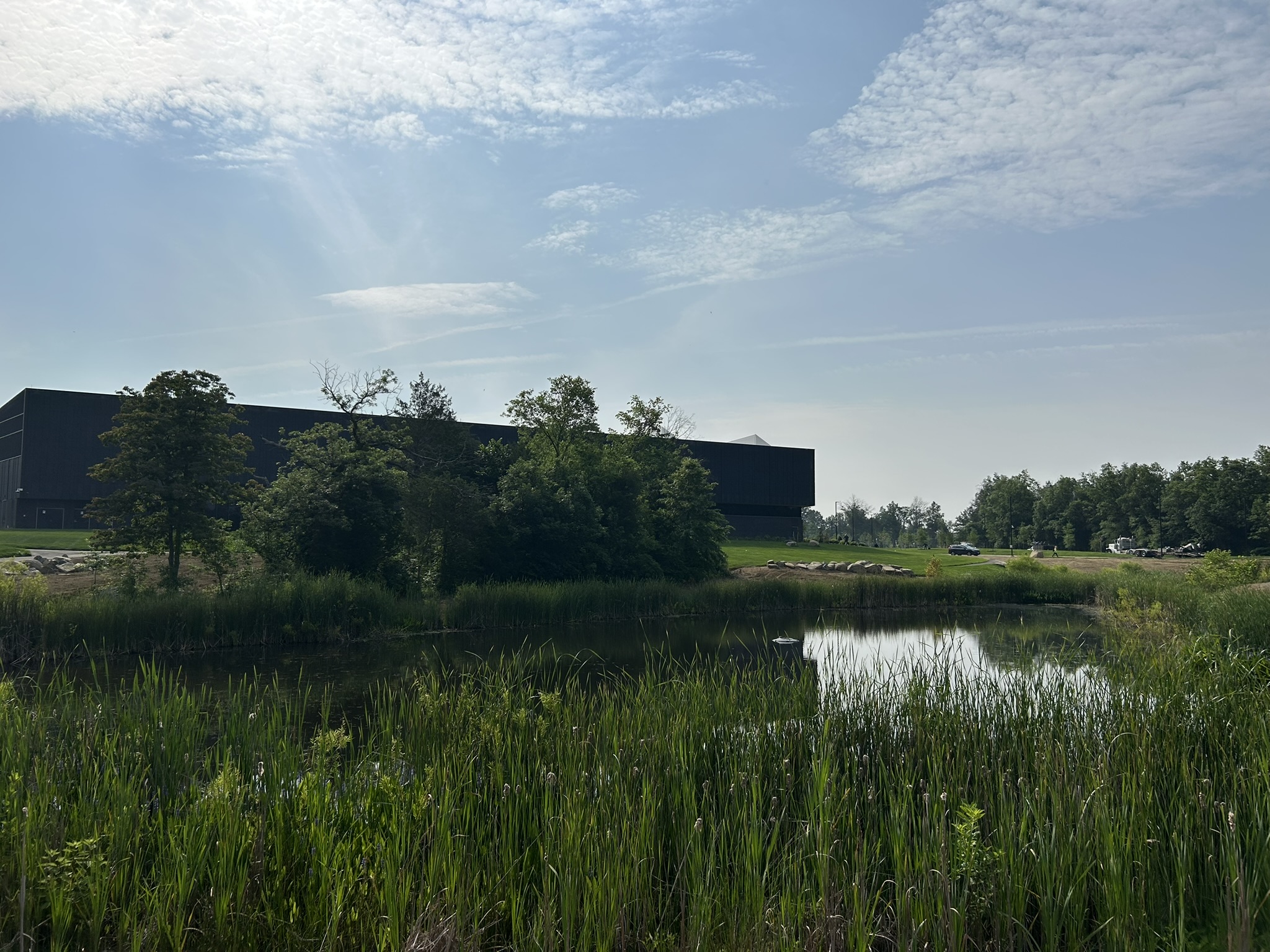
At our firm, some of the most valuable learning happens when we step outside our project teams and come together across disciplines to share ideas, experiences, and emerging challenges. To strengthen this culture of collaboration, we’ve recently introduced a series of issue-focused staff roundtable sessions that bring together colleagues from across our Planning, Urban Design, and Landscape Architecture practices.
Held monthly, these informal gatherings create space for staff at all levels to contribute insights, ask questions, and explore opportunities for future learning and research. The format is intentionally non-hierarchical allowing everyone to have a voice, whether they are a recent graduate or a senior practitioner. The atmosphere is collaborative, curious, and welcoming, often accompanied by the occasional sweet treat.
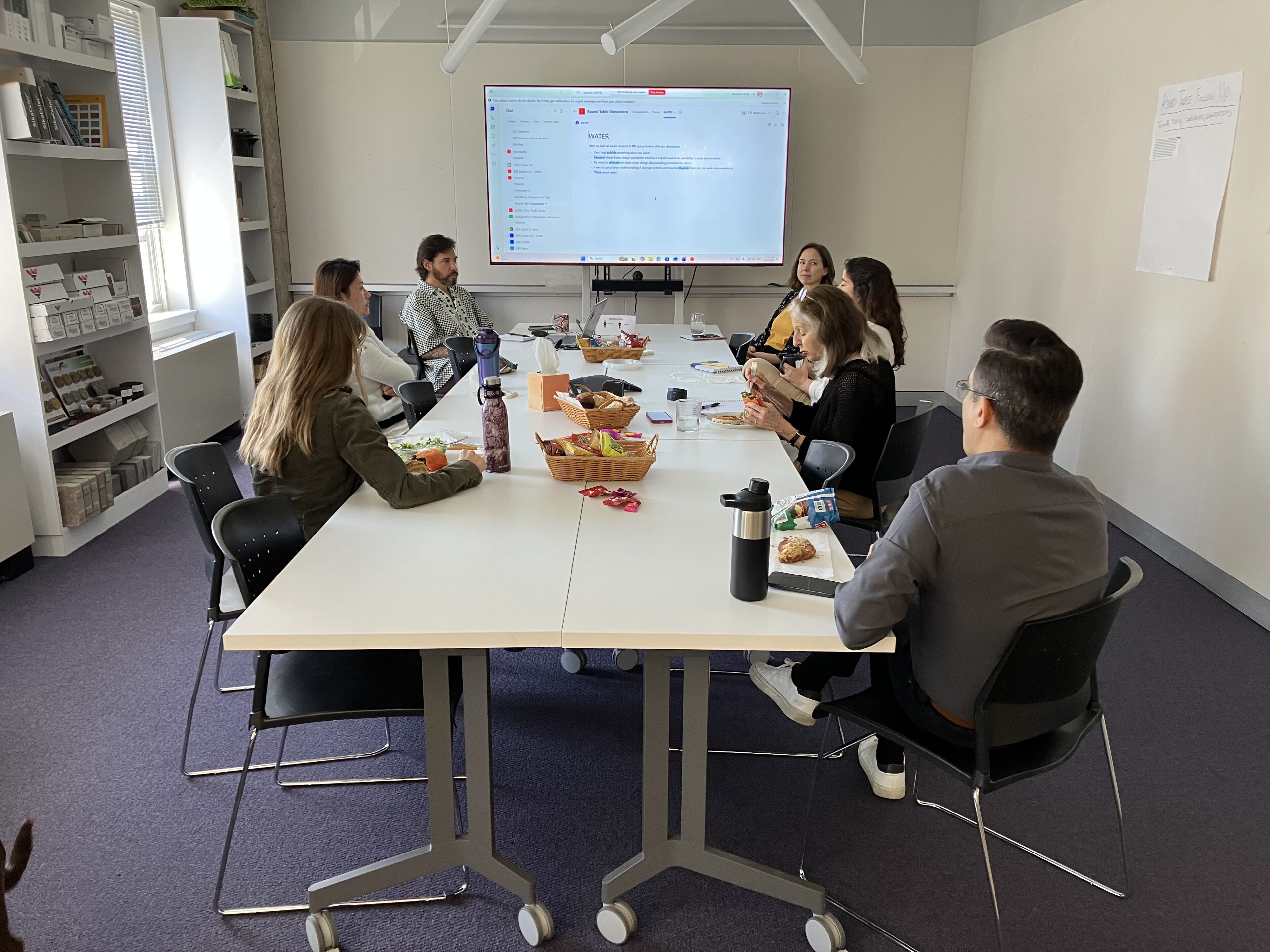
Each session focuses on a topic that is both highly relevant to our clients and increasingly important to the communities and environments we help shape. Guided by a facilitator, discussions are structured to encourage broad participation and the exchange of diverse perspectives. We draw on engagement techniques that we frequently use in our public consultation work, including anonymous polling, interactive exercises, and collaborative idea generation, helping to ensure that all voices are heard.
Through staff input, the theme of our most recent sessions has been Water: a topic that continues to grow in importance as communities face increasing pressures related to climate change, infrastructure, ecological health, and urban growth.
Our conversations explored where innovative approaches to water management are already being implemented in our projects, the challenges municipalities and clients are encountering, and the barriers that can limit the adoption of integrated green + blue infrastructure solutions. We also examined how our own practice can continue to evolve, identifying opportunities for research, innovation, and collaboration that will help us remain leaders in addressing water-related challenges.
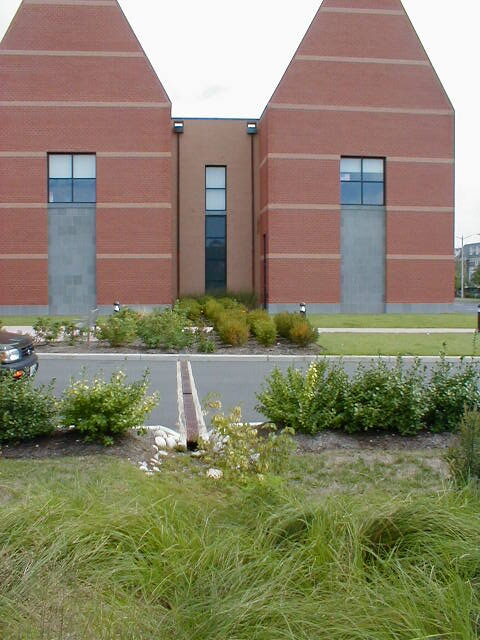
A recurring theme throughout the discussions was the need to think beyond water management as purely technical infrastructure. Water-sensitive planning and design have the potential to do much more: enhance resiliency, support ecological systems, improve public spaces, and create meaningful experiences for the people who interact with them every day. The most successful solutions not only perform effectively but also contribute to vibrant, beautiful, and memorable places.
These roundtable sessions are helping us build collective knowledge across disciplines, challenge assumptions, and identify new opportunities for innovation. By creating dedicated space for open dialogue and shared learning, we’re strengthening our ability to respond to complex issues and deliver thoughtful, forward-looking solutions for our clients and communities.